Warm Minimalism Lighting Guide: From White to Earthy Tones
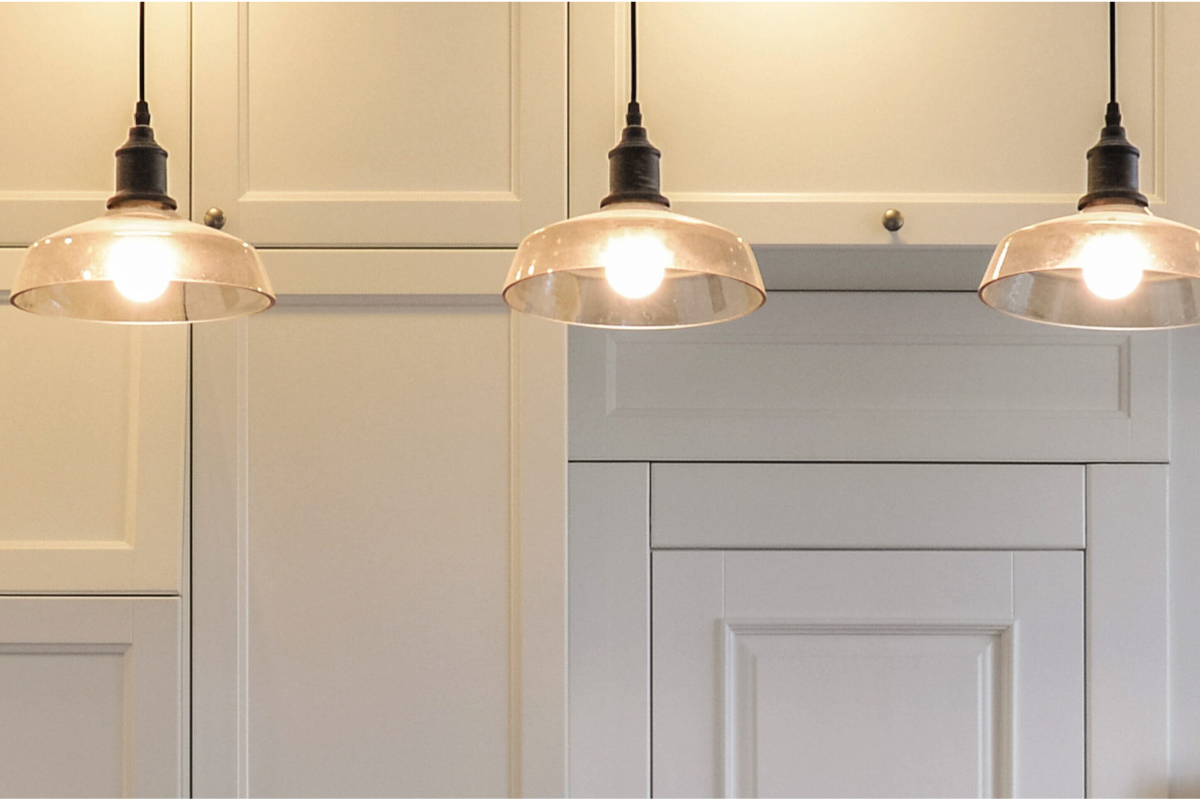
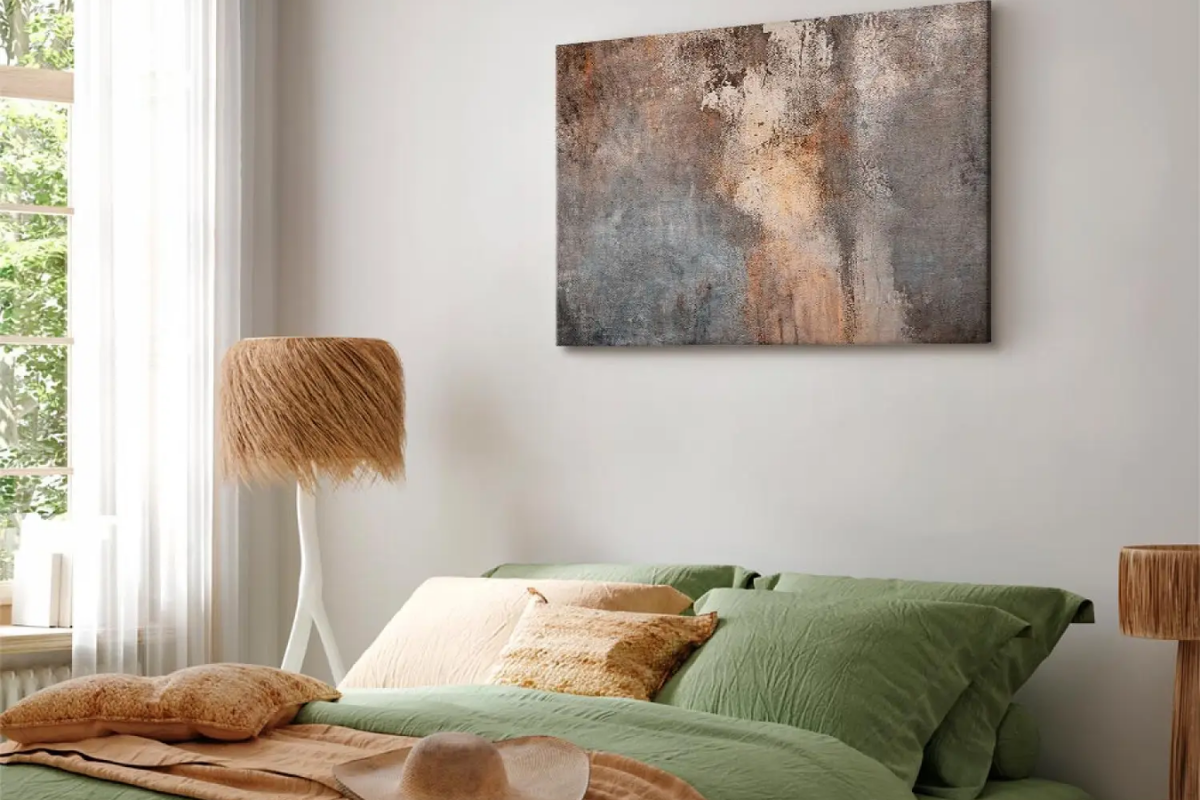
To light a warm minimalist interior with taupe, sand, or earthy tones, switch from cool-white (4000K–4500K) bulbs to warm-white fittings at 3000K.
Layer ambient, task, and accent sources instead of relying on a single ceiling light.
Match fitting finishes, brushed brass, matte black to your palette, and upgrade switch plates to a coordinated warm tone.
Table of Contents
- Why cool white lighting is clashing with your 2026 palette
- Understanding colour temperature and why it matters here
- Warm white vs cool white: which should you choose?
- Common mistakes and how to fix them
- PRO-TIPs + FAQ
Why Cool White Lighting Is Clashing with Your 2026 Palette
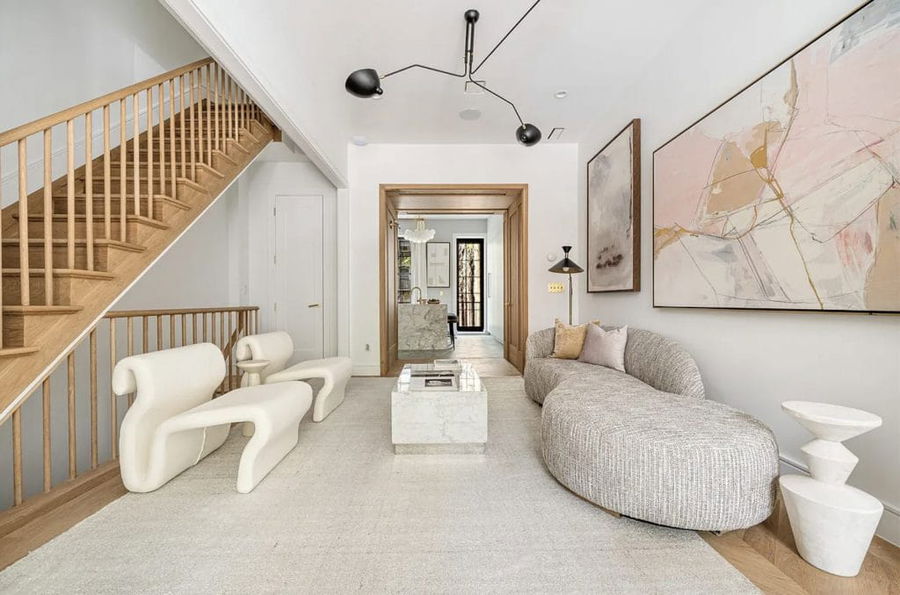
Cool, bluish-white light (common in BTO move-in fixtures) actively fights against earthy, sand, and warm greige tones.
It strips warmth from surfaces and makes timber grain look muddy.
The fix isn't always a full rewire; sometimes it's just knowing which bulbs and fittings to swap.
Understanding Colour Temperature and Why It Matters Here
Colour temperature is measured in Kelvins (K); think of it as how "cool" or "warm" your light appears.
6000–6500K — Daylight. Crisp, clinical.
4000-4500K — Cool white. Clean but not cool.
3000K — Warm white. Golden, cosy, earthy-palette-friendly.
For warm minimalism, 3000K is your target range.
It enhances taupe undertones, makes sand-toned walls glow, and keeps the space feeling calm rather than sterile.
Warm White vs Cool White: Which Should You Choose?
| Warm White (3000K) | Cool White (4000–4500K) | |
|---|---|---|
| Best for | Taupe, sand, earthy, timber tones | Grey, white, monochrome schemes |
| Mood | Cosy, calm, spa-like | Clean, crisp, minimal |
| Typical spaces | Living, bedroom, dining | Kitchen task zones, home office |
| Risk if overused | Can feel dim in large open plans | Clashes with warm materials |

Common Lighting Mistakes in Warm Minimalist Homes (and How to Fix Them)
Mistake 1: Keeping the BTO default cool-white tubes
Fix: Swap to LED warm-white panels or downlights. Many are direct replacements, no rewiring needed, just a electrician for ceiling fixtures.
Mistake 2: Buying fittings in cool chrome or bright nickel
Fix: Opt for brushed brass, matte black, or antique bronze finishes. These finishes visually integrate with earthy palettes in a way chrome simply doesn't.
Mistake 3: No layering; only one overhead source
Fix: Add a floor lamp or a plug-in pendant as a low-commitment second layer before committing to additional wiring points.
Mistake 4: Ignoring the switch and socket plates
Fix: Mismatched white gloss switch plates undermine an otherwise considered scheme. Warm-toned or brushed metal switch and socket plates from a coordinated range, like those in Goldberg Home's collection quietly complete the look.
PRO-TIP:
Test Before You Commit
- Cool-white light (4000-4500K) actively clashes with taupe, sand, and earthy palettes
- Target 3000K colour temperature throughout warm minimalist spaces
- Layer three light sources: ambient, task, and accent, per room
- Fitting finishes matter: brushed brass and matte black suit earthy schemes
- Switch plates are small but visually significant coordinate them with your fittings
FAQ
Q: What colour temperature is best for warm minimalist HDB interiors?
A: 3000K warm white works best, it enhances earthy tones without making spaces feel dim or overly orange.
Q: Can I change lighting without rewiring my whole flat?
A: Yes, many downlights and ceiling fixtures are direct replacements; engage a electrician for safe ceiling-mounted swaps.
Q: Will warm-white lighting make my small HDB feel darker?
A: Not if you layer sources and choose high-lumen fittings; brightness (lumens) and warmth (Kelvins) are independent variables.
Q: Are brushed brass fittings suitable for humid Singapore bathrooms?
A: Choose IP-rated fittings designed for humid environments; confirm suitability with the supplier before purchasing for wet areas.
Q: How do I know if my current switches clash with a warm minimalist scheme?
A: If your plates are bright gloss white against taupe or timber walls, they likely clash swap to matte or warm-toned plates for a cohesive finish.

Written by Goldberg Home SG