Power Tracks vs. Traditional Sockets: Is the $600 Upgrade Worth It? 📈
With renovation blogs pushing every "must-have" trend, it's hard to know whether that $400–$800 price difference actually solves real problems.
Let's cut through the marketing and compare what you actually get for your money.

Table of Contents
- Why this upgrade decision matters now
- How power tracks and traditional sockets differ functionally
- Who should choose what: decision guide
- Which option works better in different rooms
- FAQ
Why this upgrade decision matters during your renovation
Your electrical plan gets locked in before tiling and painting. Adding sockets later means hacking walls, exposing trunking, or living with extension cords snaking across your floor.
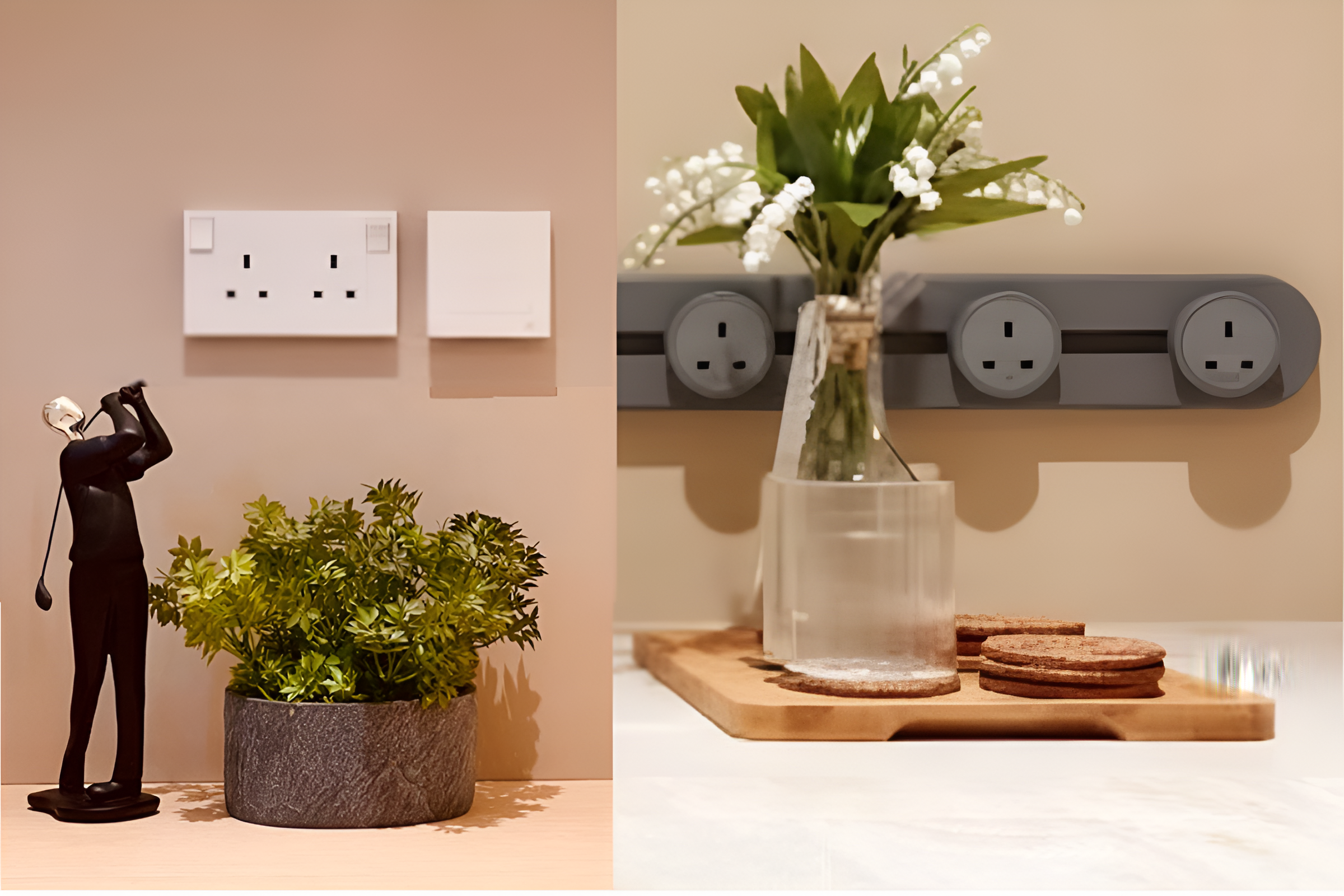
Power tracks mount on walls or beneath cabinets, letting you add outlets anywhere along the track. Traditional sockets sit in fixed gang boxes and require permanent wiring.
This choice affects your budget, future flexibility, and how cluttered your home looks when appliances multiply.
How power tracks and traditional sockets differ in daily use
Traditional sockets
- Install in gang boxes with concealed wiring.
- Each socket location is permanent.
- You get 1–3 outlets per gang box, and adding more requires hacking walls and hiring a electrician.
Power tracks
- There are modular aluminum channels that mount visibly on walls.
- You plug outlet modules anywhere along the track and reposition them without tools.
- They connect to one main power point in your DB box.
The key difference: tracks adapt as your needs change; sockets stay fixed forever.

Who should choose what:
Choose traditional sockets if you have a tight budget, know exactly where appliances will sit, or prioritize clean minimalist walls. Pick power tracks if you work from home, have multi-purpose rooms, or anticipate layout changes within 5 years.
| Feature | Traditional Sockets | Power Tracks |
|---|---|---|
| Installation | Electrician | Electrician + carpentry |
| Total for 4-room BTO | 20–25 points | 3–4 tracks |
| Future changes | Hack walls | Slide modules freely |
| Outlet flexibility | Fixed positions | Add/move along track |
Spend the money for upgrade fee where the flexibility is visible and functional, rather than putting tracks in every corner of the flat.
Which option works better in different BTO rooms
Kitchen & dining:
Power tracks excel here. Mount beneath upper cabinets for kettle, rice cooker, and airfryer, no countertop clutter.
Slide outlets left/right when appliances change. Traditional sockets force you to guess where gadgets sit, often getting blocked by the microwave.
Study & home office:
Power tracks solve cable chaos.
One 2-meter track behind your desk handles laptop, monitor, phone charger, and desk lamp without extension cords.
Traditional sockets lock you into one desk position forever.
Living room & bedrooms:
Traditional sockets work fine.
Furniture positions rarely change, and visible tracks look industrial.
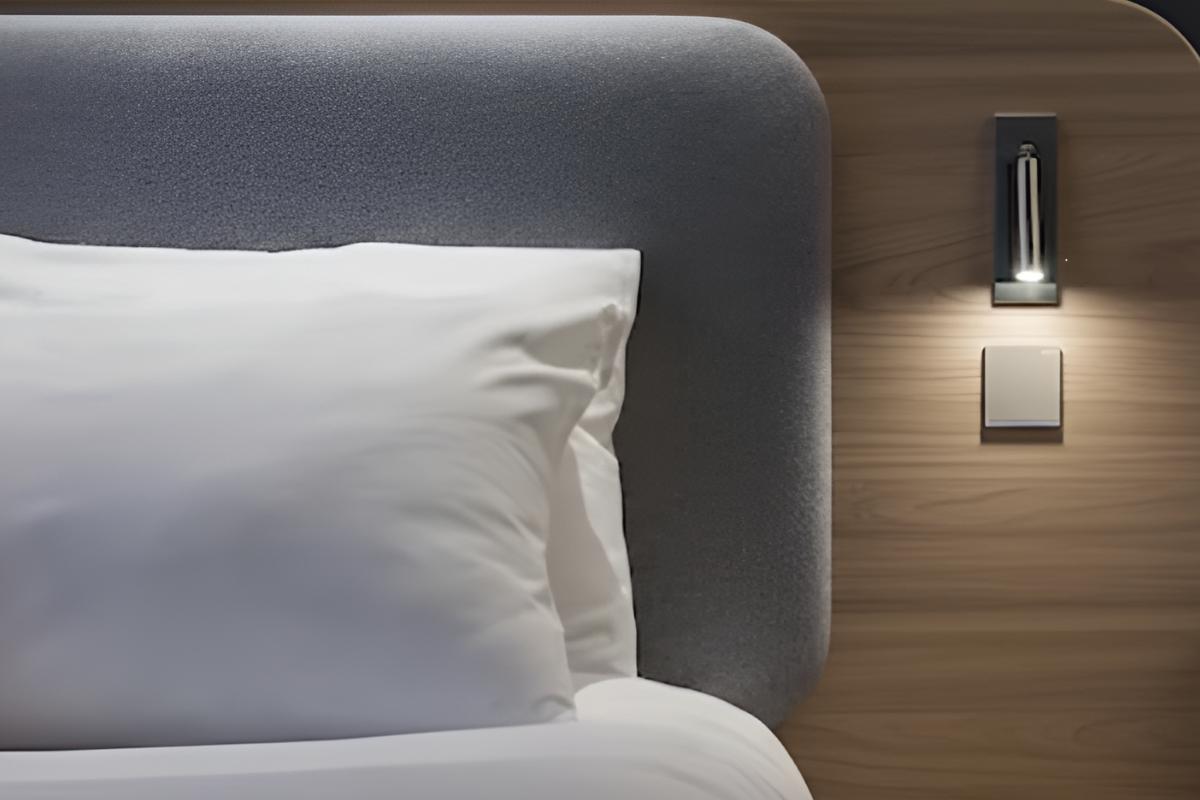
Install sockets behind TV consoles and beside bed frames, positions stay consistent for years.
Bathroom:
Stick with traditional sockets.
Moisture and power tracks don't mix well, and you don't need repositionable outlets near sinks or mirrors.
FAQ:
Q: Can I move power track outlets myself?
A: Yes, outlet modules slide along the track without tools. The track itself stays permanently mounted and wired.
Q: Do power tracks work in HDB kitchens?
A: Yes, mount beneath upper cabinets for appliances. Verify your electrician routes them during carpentry stage, not after.
Q: Are power tracks allowed in BTOs?
A: Yes, as long as a electrician connects them to your DB box. Surface or concealed mounting both comply with regulations.
Q: Which lasts longer? tracks or traditional sockets?
A: Quality aluminum tracks last 10–15 years. Traditional sockets in gang boxes last 15–20+ years with minimal maintenance.

Written by Goldberg Home SG