Smart Switches vs. Smart Bulbs: Which One is Actually Better for Your BTO? 🤔
With so many conflicting Reddit threads and TikTok "hacks," choosing between smart switches and smart bulbs for your BTO feels like a minefield.
Let's break down the real differences, costs, and what actually makes sense for HDB living in Singapore.

Table of Contents
- Why this choice matters for your BTO
- How smart switches and smart bulbs actually work
- Who should choose what: decision guide
- Which option works best in different rooms
- FAQ
Why this choice matters for your BTO renovation
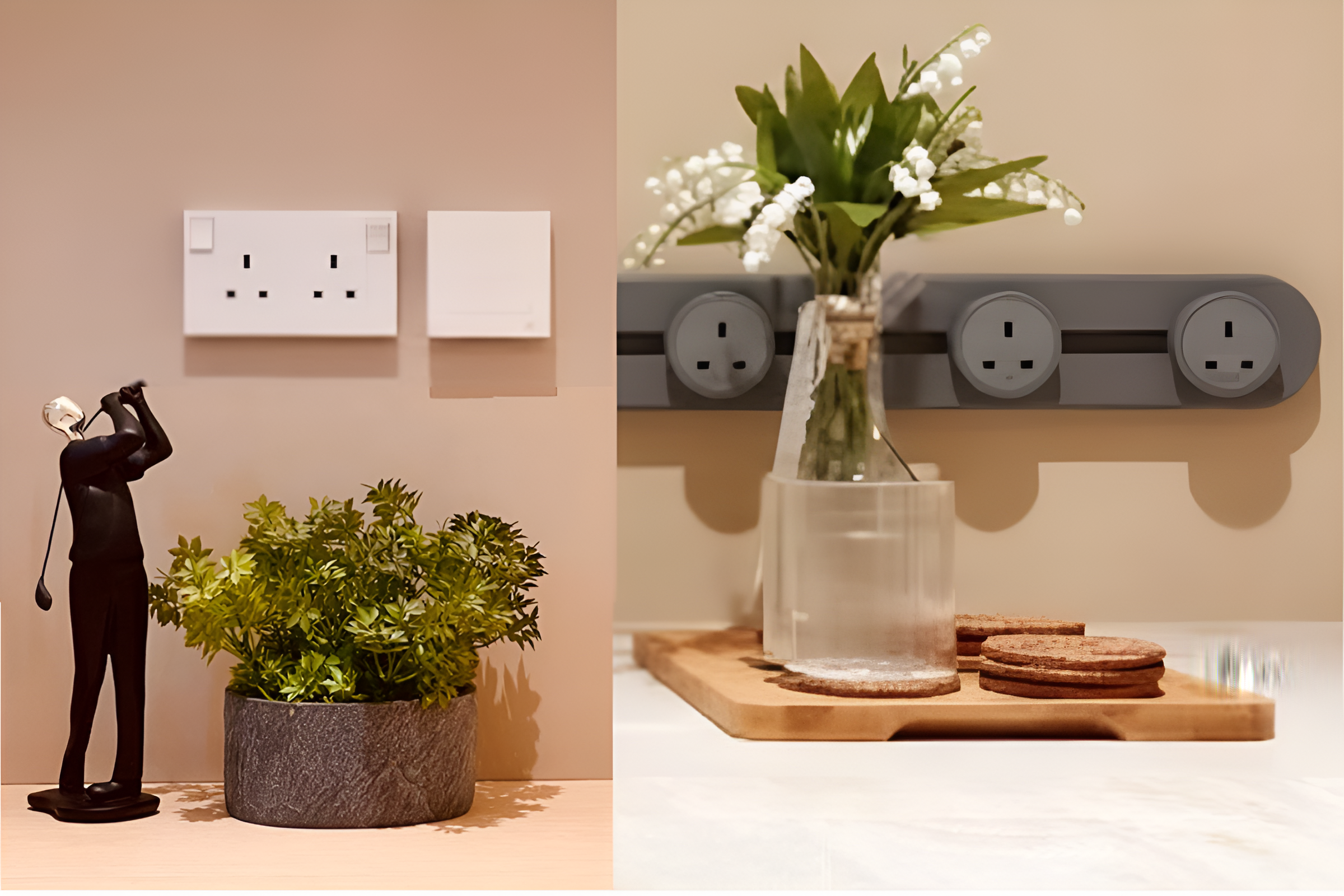
Your BTO's electrical layout is fixed during handover. Most units come with standard gang boxes and basic switches.
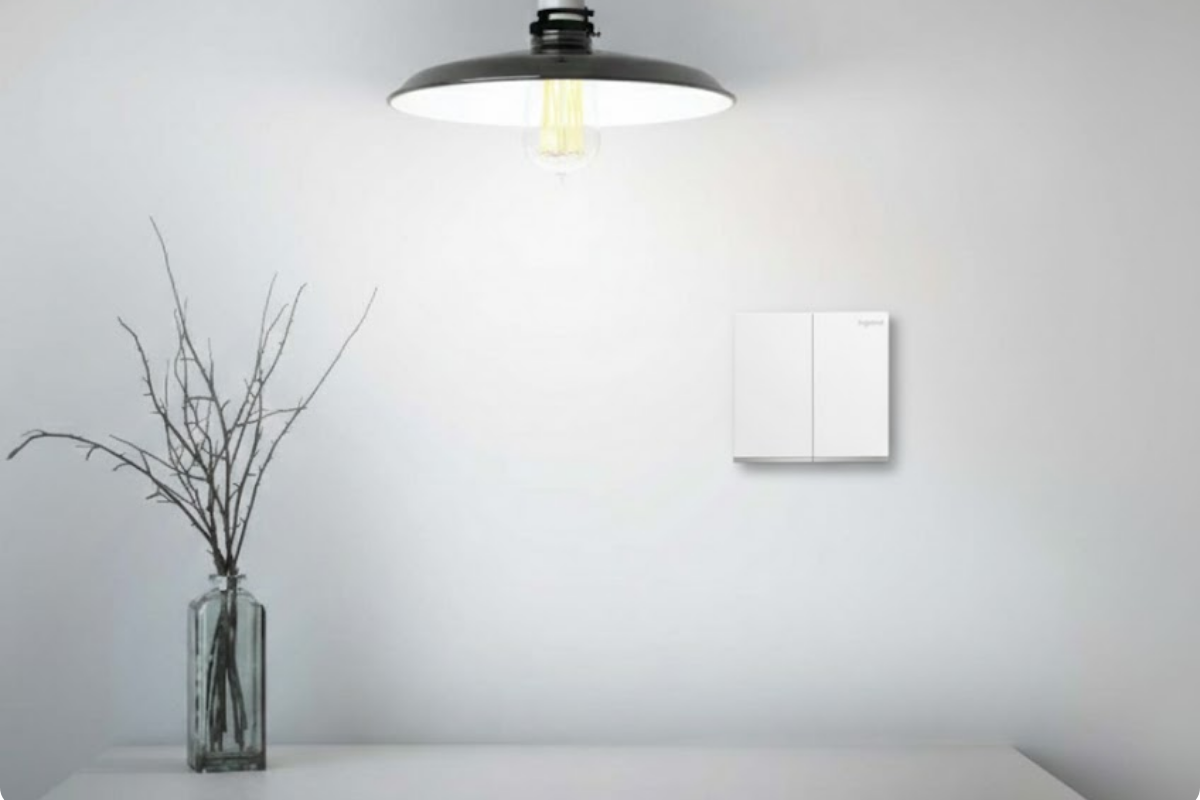
Smart switches replace your existing wall switches and control any bulb. Smart bulbs screw into standard fittings but require the wall switch to stay "on" permanently.
This decision affects your wiring plan, electrician costs, and daily usability. Choose wrong, and you'll be manually toggling switches or replacing expensive bulbs every few years.
How smart switches and smart bulbs actually work differently
Smart switches wire into your gang box and control the circuit itself. They work via Wi-Fi or Zigbee, letting you control lighting from apps or voice commands. Any LED bulb works, no special requirements.
Smart bulbs contain built-in wireless radios (usually Zigbee or Wi-Fi). They need the wall switch left "on" to maintain power. If someone flips the switch off, you lose smart control until it's back on.
The wall-switch issue is the biggest daily frustration with smart bulbs in shared households.
Who should choose what:
Pick smart switches if you have ceiling lights, multiple-bulb fixtures, or want long-term savings.
Choose smart bulbs only for lamps, accent lighting, or rental units where you can't modify wiring.
| Feature | Smart Switches | Smart Bulbs |
|---|---|---|
| Installation | electrician required | DIY-friendly (screw in) |
| Bulb flexibility | Use any cheap LED | Must buy smart bulbs |
| Replacement cost | Rare (10+ years) | Every 2–5 years per bulb |
| Multi-bulb fixtures | 1 switch controls all | Need multiple smart bulbs |
 Which option works best in different BTO rooms
Living room & bedrooms:
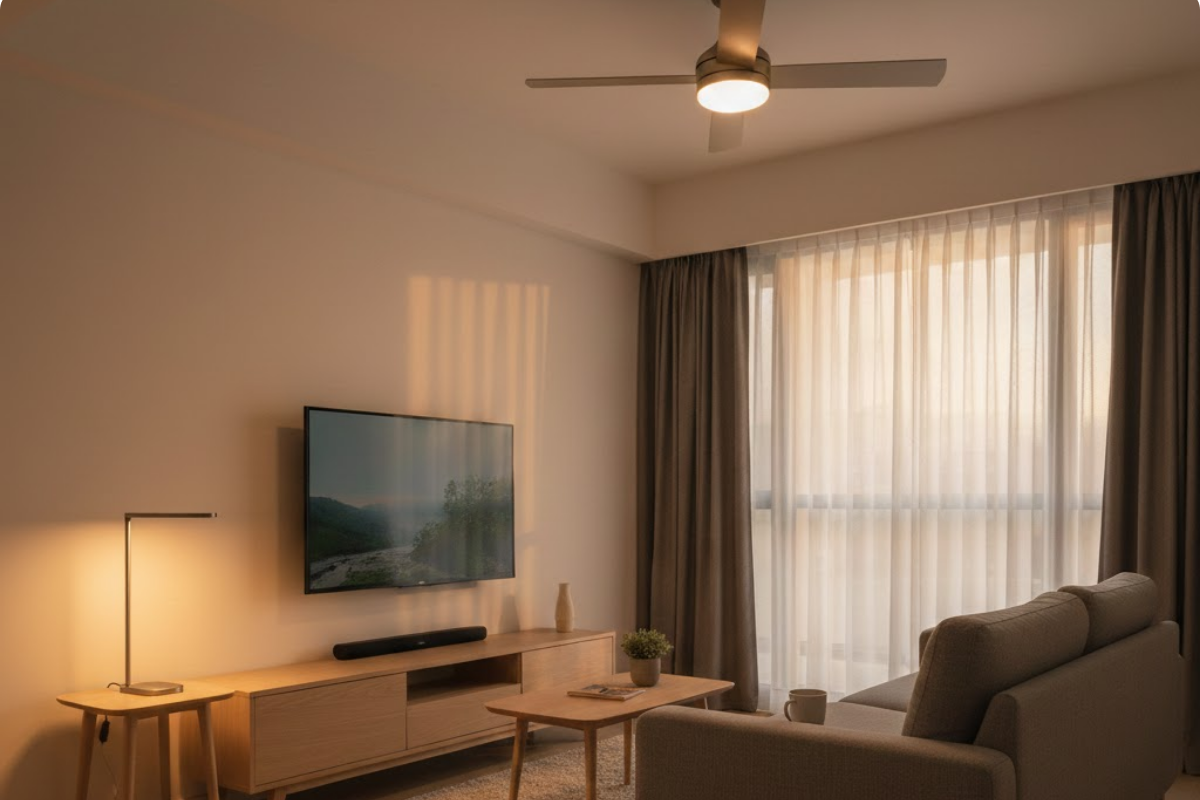
- Smart switches make more sense for ceiling lights and downlights.
- One switch controls 4–6 downlights instead of buying six smart bulbs. I
- Install a smart switch at the gang box and use standard warm-white LEDs.
Kitchen & bathrooms:
- Stick with smart switches.
- High-humidity areas wear out electronics faster, and you don't want to climb ladders to replace failed smart bulbs near the stove or shower.
Study & bedside lamps:
- Smart bulbs work well here.
-
Table lamps don't need wall switches, and color-changing bulbs let you adjust ambiance for reading vs. relaxing.
FAQ:
Q: Which is cheaper for a 4-room BTO?
A: Smart switches cost less long-term. Four rooms with ceiling lights need ~6 switches vs. 20+ smart bulbs.
Q: Do smart bulbs work in Singapore's humid weather?
A: Yes, but lifespan drops in kitchens/bathrooms. Switches handle humidity better since they're enclosed in gang boxes.
Q: What if my BTO gang box has no neutral wire?
A: Use battery-powered wireless switches or hire an electrician to run neutral wire during renovation (easier before hacking/tiling).
Q: Can I use voice control with both options?
A: Yes, both integrate with Google Home, Alexa, and Apple HomeKit. Just stick to one ecosystem for simpler automation.

Written by Goldberg Home SG